This series breakdowns OEM/ODM (customization) listings for WHAT they do that works and more importantly delivers insights for WHY they work.
Today’s breakdown is a product listing created by the same company whose company profile I brokedown last time. I was so impressed with their profile I wanted to give readers a fuller picture of their marketing strategy. This supplier is currently ranked #8 on Alibaba for Machining Services, with over $1 million dollars sold, a 4.8/5 star rating, with 803 store reviews.
Here are 4 choices this company made to demonstrate they are a top Seller to ideal Buyers.
Human-Understandable Title
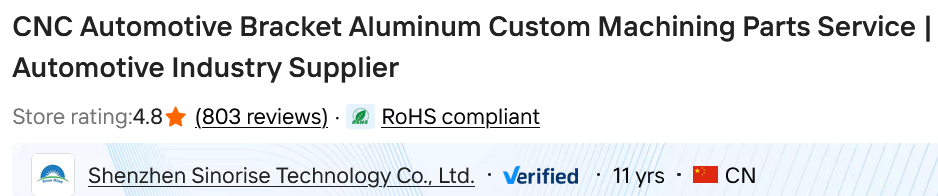
From the first glance, the buyer sees “very credible”:
- 4.8 stars with 803 reviews – hundreds of real experiences, not just 1-2 “friends” giving a 5-star review to boost the rating.
- RoHS compliant – an EU certification (products sellable in markets with strict regulations)
- Verified seller with 11 years of experience – they are likely to be around for many more years.
But what I want to focus on is their title.
Many listing titles are so SEO-opitimized the listing titles don’t make sense when humans read them.
Or for OEM/ODM customization suppliers, they don’t do a very good job differentiating between selling the seller versus a single product.
This title is very easy to parse for both:
CNC Automotive Bracket Aluminum Custom Machining Parts Service | Automotive Industry Supplier
After reading it – they buyer knows if they are in the right place or not.
- What do the seller make? Aluminum Custom Machine Parts
- Who do the seller serve? Automotive Industry
- What am I buying? A service
- What is this listing about? Them as a supplier.
Pre-Acknowledge Common Problems
I see common problems prominently featured in almost all top listings – and there’s a big reason why:
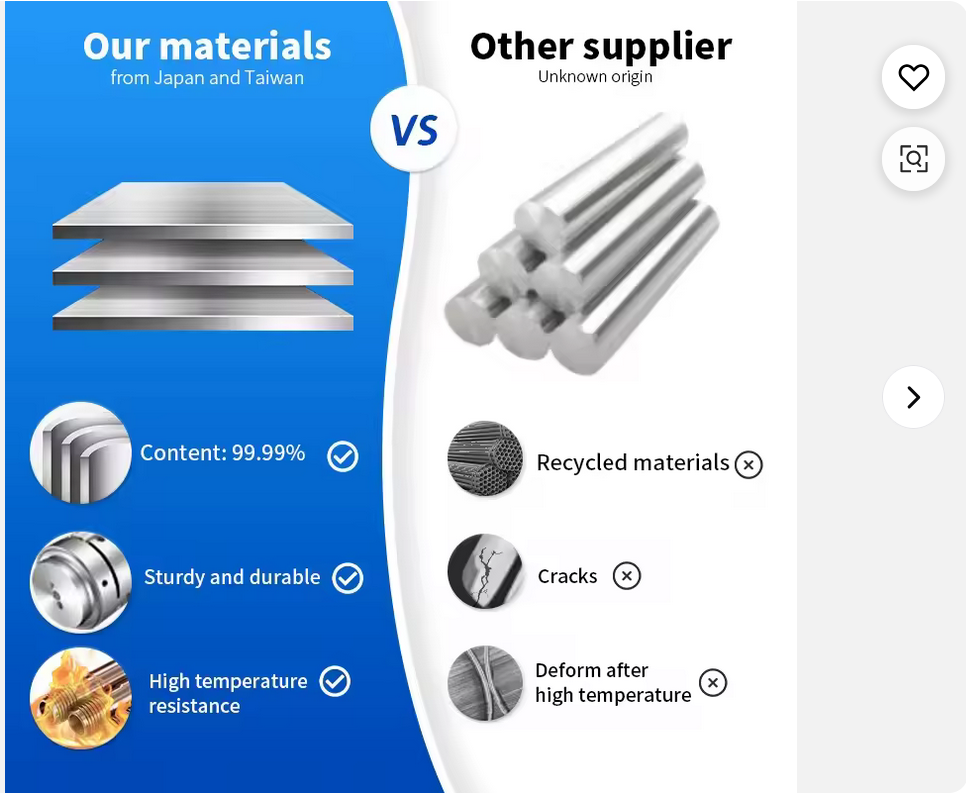
A buyer comes to read the listing with a mind already full of worries based on bad past experiences. If the seller doesn’t immediately give the buyer peace of mind – the buyer will bounce and keep looking until another listing does.
Imagine buying a car after you got in a car wreck where you had facial reconstruction surgery because the airbag didn’t deploy. You aren’t going to be able to pay attention to the salesman’s pitch about all the great features of the new car until you hear the salesmen talk about the reliability of the airbag. Only once you are assured the airbag works and you won’t suffer the same injury a second time, can you relax enough to ask the salesman to start over with his pitch.
By per-acknowledging common problems buyers have with other suppliers, this company – from nearly the very top of the listing – ensures they have the buyer’s full attention from here on out.
Selling the Right Outcome
In marketing it is often said – people buy outcomes, not products. And that is true. But this advice is often misapplied in OEM/ODM listings, because the listing creator forgets what outcome the buyer is actually buying.
A business buyer is NOT buying a great product – they are buying a process that reliably creates good products. And unlike a normal person who might buy just one – a buyer is often buying hundreds if not thousands of products at a time.
Refunds for one customer are manageable. It is much harder to recover from a lost production run.
So vague promises like “can create customized parts to order” just don’t cut it.
What this company does instead is detail exactly what processes they use:
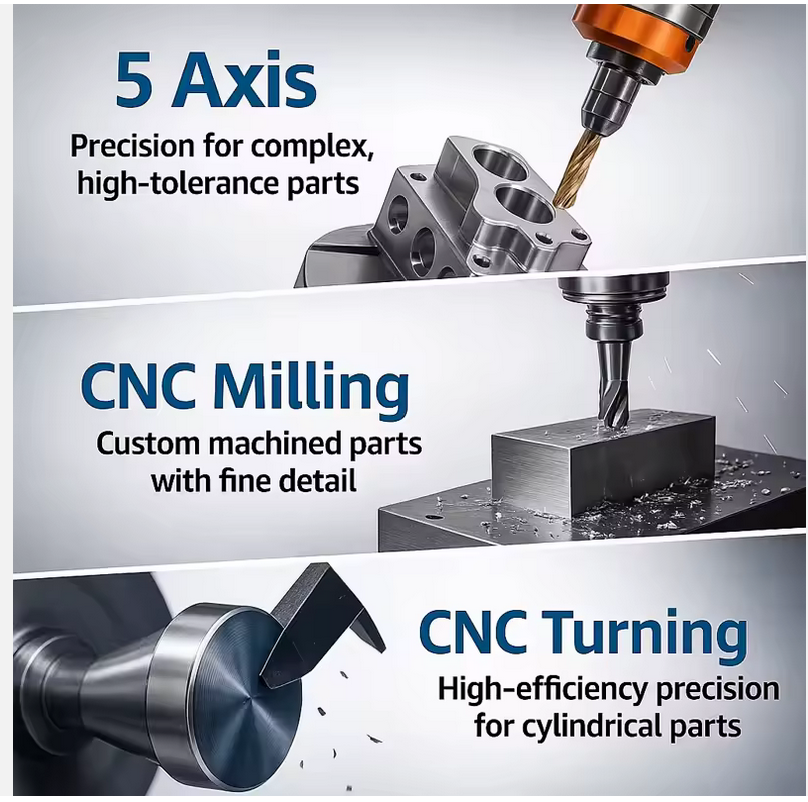
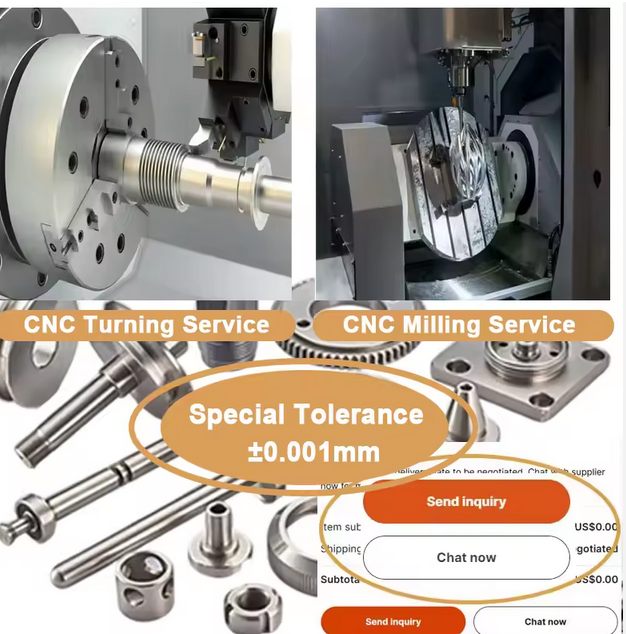
This company not only details the specific manufacturing but they go ahead and list their tolerances (0.001mm). You would not believe how many listings I see forget that crucial detail.
Tolerances (the seller can back up and demonstrate) say more about reliability and care for quality than almost anything else.
Pictures which answer 100 questions
They say a picture says 1000 words. In our case – we can settle happily for answering 100 questions the user might ask.
Imagine you are the buyer for custom Aluminum auto parts. Can you answer the following questions after just glancing at the provided image?
Can the seller:
create sharp edges without cracks?
create rounded surfaces as well as straight?
punch holes of different shapes?
Back up their claim about no cracks?
Craft a variety of different products at the same quantity?
Be artistic as well as functional?
Have high quality machines / well-trained staff?
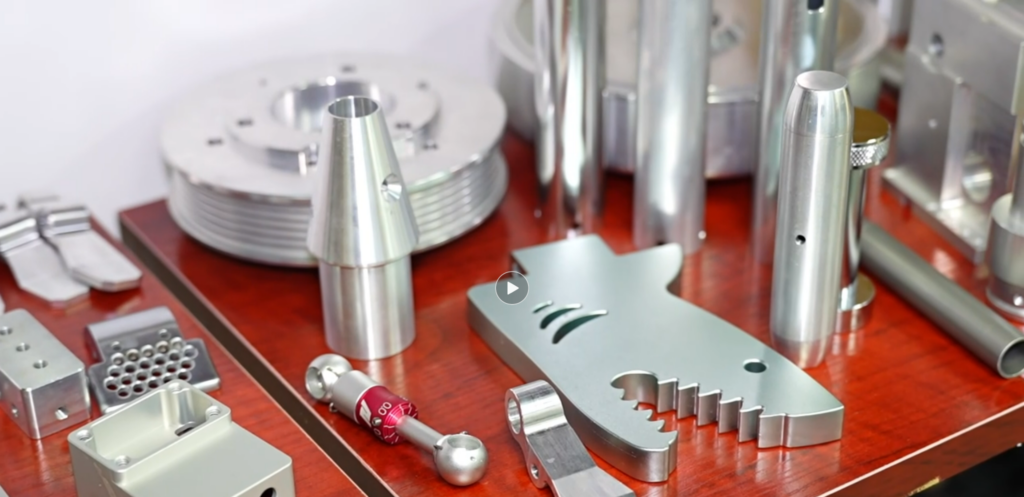
A lot of companies seemingly choose products randomly to put on their listing. A good listing will take into account what needs their buyers usually have for customized products and create an image with products carefully selected which match those needs.
Key Takeaways:
This company demonstrated they are a top Seller to ideal Buyers by:
- Picking a title which is both machine AND human understandable
- Listing common problems their buyers have likely had with other suppliers
- Selling the Right Outcome
- Carefully selecting which products to feature